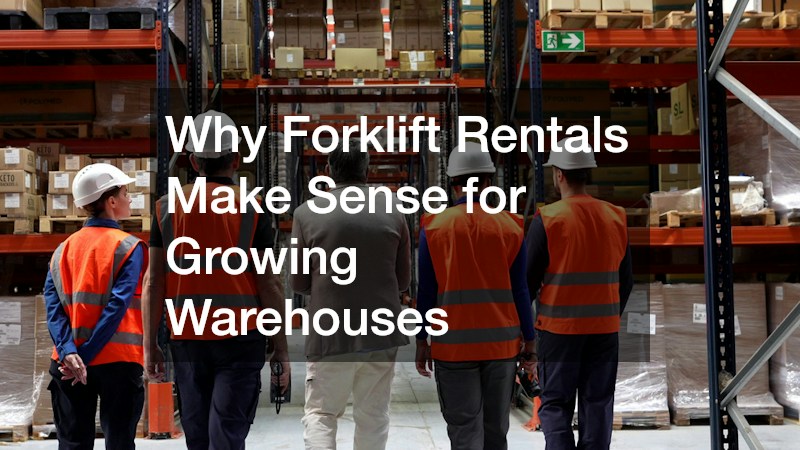
Running an efficient warehouse or construction site requires balancing heavy-lifting demands against strict budget constraints. Fleet managers and independent business owners frequently encounter sudden surges in workload, unexpected equipment breakdowns, or short-term contracts that demand immediate horsepower. Choosing forklift rentals provides a flexible, cost-effective alternative to purchasing new machinery outright, keeping projects running smoothly without tying up liquid capital.
Understanding how to choose, schedule, and operate rented machinery ensures your business avoids unexpected delays and costly operational bottlenecks.
Preparing Ahead: Sizing, Site Conditions, and Clear Rental Agreements
Successful equipment utilization begins well before any machine arrives at the facility gate. A common pitfall for warehouse supervisors is securing a lift based solely on general impressions rather than exact job requirements.
- Load Capacities and Mast Heights: Always calculate the maximum gross weight of your heaviest anticipated load and add a safety margin. Overloading introduces severe tipping hazards and triggers premature mechanical failure. Verify both maximum forklift height and the collapsed mast height to ensure the unit clears roll-up doors, overhead ductwork, and structural beams.
- Terrain and Tire Selection: Match the machine’s chassis to your operating surface. Smooth warehouse concrete demands solid-cushion tires for tighter turning radii, whereas unpaved gravel lots or construction environments require pneumatic or solid-pneumatic tires to maintain stability and traction.
- Contract Clarification: Before signing an agreement, verify shift-usage allowances, delivery fees, refueling policies, and insurance coverage. Clarify maintenance protocols so you know exactly who covers emergency repairs, routine servicing, and rapid swap-outs if mechanical trouble arises.
Taking time to outline your operational parameters helps your rental provider match your exact workflow with the right unit from the start.
Delivery Inspections and Fuel Logistics
Once your equipment is on site, proactive staging prevents lost hours. Rental charges begin as soon as the unit lands, meaning every hour spent organizing workspace or troubleshooting issues eats into your operating margin.
Conduct a comprehensive walk-around inspection alongside the delivery driver. Note any preexisting cosmetic or structural damage, test horn and backup alarms, inspect tires for gouges, check fluid levels, and examine hydraulic lines for active weeping. Document existing wear on the delivery bill of lading so your company isn’t held liable for prior misuse upon return.
Fuel logistics require equal attention. If renting an LPG (liquid propane gas) model, ensure extra certified tanks are stored safely on site to avoid mid-shift shutdowns. If operating an electric unit, confirm that your facility has the appropriate electrical hookup, compatible voltage, and a dedicated ventilation area for battery charging. Familiarize certified operators with specific control layouts, safety cut-offs, and emergency shut-offs before tasks begin.
Controlling Operational Costs During Peak Demand Cycles
Relying on forklift rentals allows organizations to scale operations up or down without holding depreciating assets through slow seasons. Seasonal retailers, agricultural processors, and freight forwarders routinely encounter brief business spikes that do not warrant a five-figure equipment purchase.
Renting converts large capital expenditures into predictable, deductible operating expenses. Because comprehensive rental programs generally bundle routine servicing and preventative maintenance into the contract rate, financial managers do not have to worry about unexpected repair invoices or parts sourcing delays. When demand settles back to baseline levels, simply off-rent the equipment to stop recurring costs immediately.
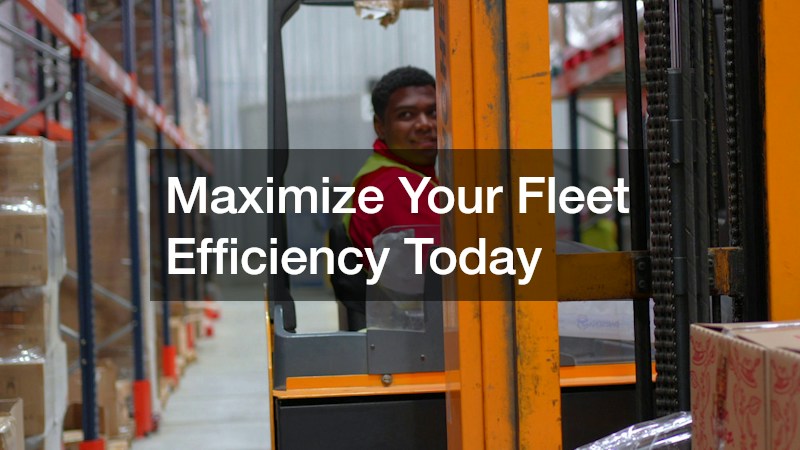
Maximize Your Fleet Efficiency Today
Whether you are preparing for seasonal spikes, handling a specialized heavy-lift project, or replacing a down unit in your permanent fleet, partnering with an experienced dealer makes all the difference. High-grade machinery combined with responsive local support keeps your team moving safely and on schedule.
For dependable equipment, prompt delivery, and personalized customer care, turn to Frontier Forklifts & Equipment. Contact their expert team today to explore their extensive fleet of forklift rentals and secure the ideal machine to power your next project.