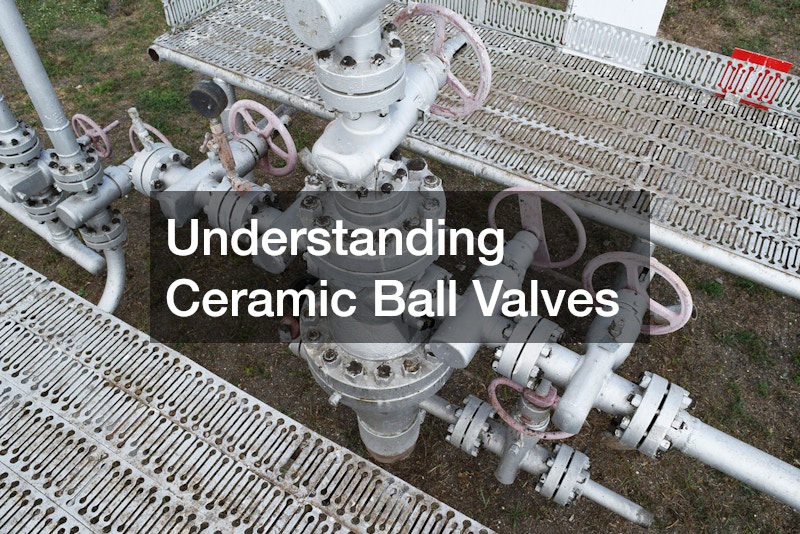
Ceramic ball valves are an essential component in a variety of industrial applications, valued for their durability and efficiency. These valves are designed to control the flow of liquids and gases through a spherical disc, which is opened or closed by rotating the handle. The robust nature of ceramic materials makes them an ideal choice for scenarios where traditional valves may fail due to corrosion or wear.
The fundamental structure of ceramic ball valves involves a hollow sphere encased within a ceramic lining, which serves as the primary isolating barrier for fluids or gases passing through the system. This composition ensures not only sustained performance under high-pressure and high-temperature conditions but also provides exceptional longevity compared to metal counterparts. As industries demand higher standards of safety and reliability, the transition to ceramic ball valves is becoming increasingly common.
One of the outstanding characteristics of ceramic ball valves is their resistance to harsh environmental conditions. The use of advanced ceramic materials, such as silicon carbide or aluminum oxide, provides unparalleled protection against chemical reactions, erosion, and abrasive media. This makes ceramic ball valves particularly suitable for industries such as chemical manufacturing, where aggressive media might otherwise degrade conventional valve materials quickly.
Why Choose Ceramic Ball Valves?
The decision to use ceramic ball valves often comes down to their superior performance and longevity. Compared to other types of valves, ceramics offer a significantly lower likelihood of leakage due to their tight seal and resistance to thermal expansion. Industries that require precise control and high purity—notably, pharmaceuticals and food processing—benefit immensely from these qualities.
Furthermore, the cost-effectiveness of ceramic ball valves becomes apparent over time as their extended lifespan reduces the frequency of replacements and maintenance. Although the initial investment may be higher than standard valves, the long-term savings in maintenance and replacement costs make them an economical choice. Additionally, the environmental impact is minimized as the valves’ durability reduces waste generation from frequent replacements.
When considering the integration of ceramic ball valves into existing systems, it’s crucial to understand their specific application requirements. Factors such as pressure ratings, temperature thresholds, and the nature of media being transported must be evaluated to ensure optimal valve performance. Suppliers often provide comprehensive support to help industries select the appropriate specifications for their needs, guaranteeing dependable operation under varying conditions.
Applications of Ceramic Ball Valves
Ceramic ball valves are indispensable in sectors where extreme conditions are prevalent. In the power generation industry, for example, the ability to handle high-pressure and high-temperature systems makes these valves the choice for steam and water control. Meanwhile, oil and gas industries rely on ceramic ball valves to manage the flow of highly corrosive or abrasive materials, ensuring safe and efficient extraction and processing procedures.
Besides industrial applications, ceramic ball valves are also employed in residential and commercial building systems to regulate water flow in heating and cooling networks. Their reliable nature guarantees operational efficiency, providing property owners with peace of mind knowing their plumbing systems are less prone to failure. In municipal water treatment facilities, ceramic ball valves play a crucial role in controlling the movement of water through various purification stages, enhancing process reliability and output quality.
Emerging technologies and advancements in ceramic material fabrication continue to expand the possibilities for ceramic ball valve applications. New treatments and compositions are pushing the boundaries of chemical resistance and mechanical strength, enabling even broader adoption across various sectors. As these innovations progress, the versatility and application scope of ceramic ball valves are set to grow, solidifying their status as a vital component in modern engineering solutions.
The Future of Ceramic Ball Valves
The future of ceramic ball valves appears promising, with ongoing research directed towards improving their capabilities and affordability. Innovations in manufacturing techniques are likely to reduce the cost barrier, making these superior valves more accessible to a wider range of industries. The trend towards eco-friendly and sustainable solutions further supports the adoption of ceramic ball valves, as they inherently contribute to reduced resource utilization over their lifespan.
As global industries strive for enhanced reliability and efficiency, the demand for robust components like ceramic ball valves is predicted to rise. Their superior attributes will pave the way for broader applications, transcending existing limitations posed by more traditional materials. Engineers and plant operators looking to future-proof their operations will increasingly rely on ceramic technology, taking advantage of its safe and dependable nature.
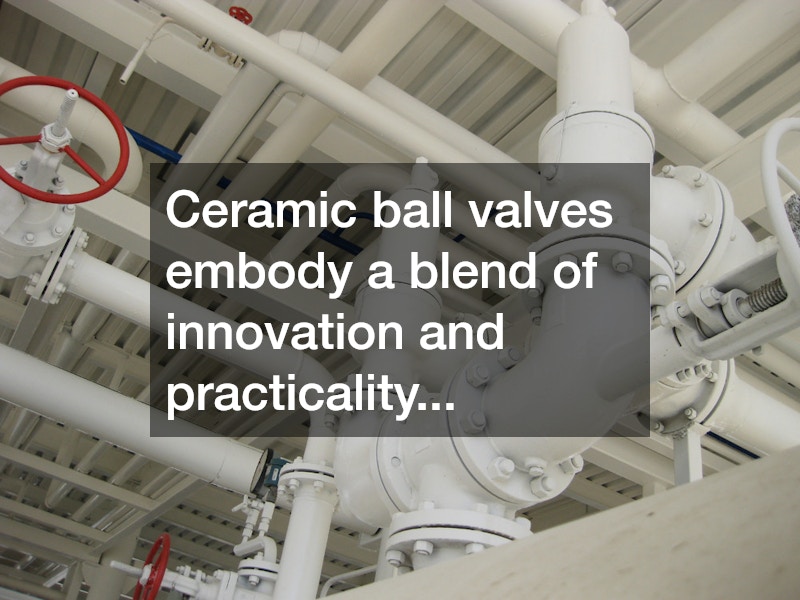
Ceramic ball valves embody a blend of innovation and practicality, offering unmatched performance across a variety of demanding applications. Industries that prioritize longevity, precision, and material resilience will find ceramic ball valves an essential asset in their ongoing operations. As the landscape of industrial engineering continues to evolve, ceramic ball valves will undoubtedly play a crucial role in shaping the future of fluid control systems worldwide.