Owning a home is one of the most rewarding investments you can make—but it also comes with ongoing responsibilities. While many homeowners plan for obvious expenses like mortgage payments and utilities, the real financial surprises often come from unexpected repairs. The key to avoiding stress (and costly emergencies) is planning ahead.
This guide breaks down the top 10 home repairs every homeowner should budget for, along with when to handle them, warning signs to watch for, and how to prioritize your spending. By understanding these essential repairs—from asphalt driveway paving to hvac repair services—you can protect your home, your comfort, and your wallet.
1. Asphalt Driveway Paving and Maintenance
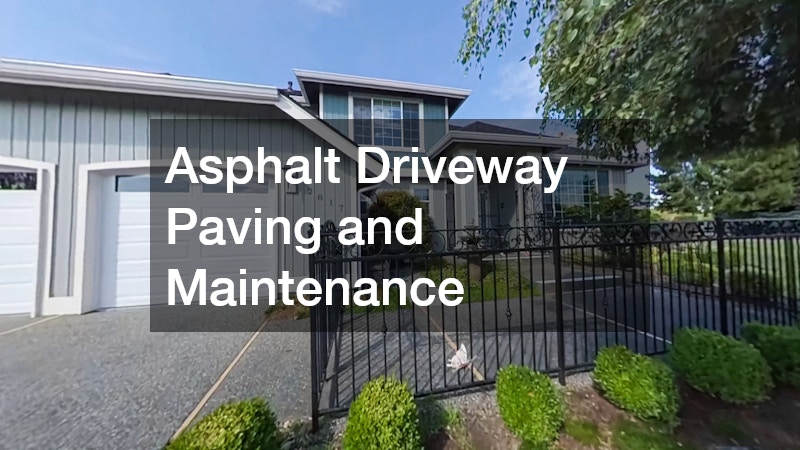
Your driveway is one of the first things people notice about your home, but it’s also one of the most overlooked when it comes to maintenance.
Why It Matters
Cracked or deteriorating asphalt doesn’t just hurt curb appeal—it can lead to drainage issues, potholes, and even damage to vehicles.
When to Budget
- Resealing: Every 2–3 years
- Repairs: As soon as cracks appear
- Full replacement or asphalt driveway paving: Every 15–25 years
Warning Signs
- Large cracks or potholes
- Fading color (gray instead of black)
- Pooling water
Budget Tip
Small repairs are relatively inexpensive, but delaying maintenance can lead to a full replacement, which costs significantly more.
2. Roofing Repairs
Your roof is your home’s first line of defense against the elements. Ignoring roofing issues can quickly lead to structural damage.
Why It Matters
Leaks can cause mold, rot, and damage to insulation and ceilings.
When to Budget
- Inspection: Annually
- Minor roofing repairs: As needed
- Replacement: Every 20–30 years (depending on materials)
Warning Signs
- Missing or curling shingles
- Water stains on ceilings
- Granules in gutters
Budget Tip
Set aside funds annually for inspections and minor fixes to avoid costly emergency repairs.
3. HVAC Repair Services
Your heating and cooling system plays a huge role in your comfort and energy efficiency.
Why It Matters
A failing HVAC system can increase energy bills and leave you uncomfortable during extreme temperatures.
When to Budget
- Maintenance: Twice a year
- Repairs: As issues arise
- Replacement: Every 10–15 years
Warning Signs
- Uneven temperatures
- Strange noises or odors
- Rising energy bills
Keyword Integration
Scheduling regular hvac repair services ensures your system runs efficiently and prevents major breakdowns.
4. Local AC Repair and Cooling System Maintenance
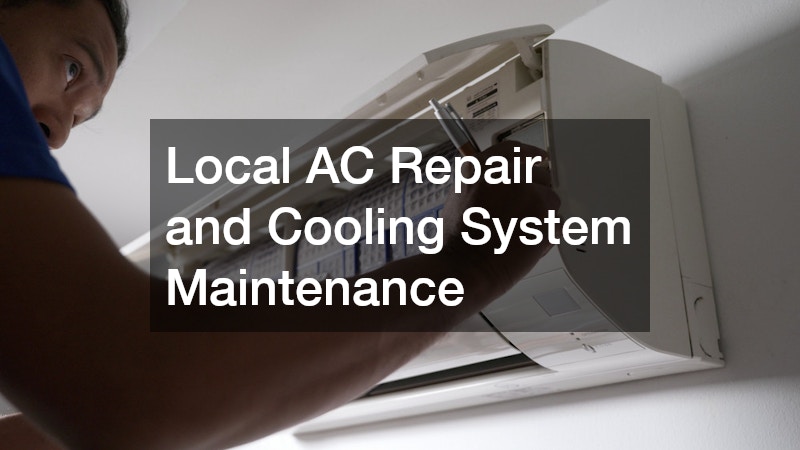
Air conditioning is essential during hot months, and breakdowns often happen when you need it most.
Why It Matters
Delaying local ac repair can lead to complete system failure during peak summer heat.
When to Budget
- Tune-ups: Before summer
- Repairs: Immediately when performance drops
Warning Signs
- Weak airflow
- Warm air from vents
- Frequent cycling
Keyword Integration
Working with a reliable local ac repair service ensures fast response times and familiarity with regional climate needs.
5. Garage Door Repairs
Garage doors are used daily but often forgotten until they stop working.
Why It Matters
A malfunctioning garage door can be a safety risk and compromise home security.
When to Budget
- Maintenance: Annually
- Garage door repairs: As needed
- Replacement: Every 15–20 years
Warning Signs
- Loud grinding noises
- Slow or uneven movement
- Door not closing properly
Budget Tip
Fixing small issues early prevents damage to the entire system, including the motor.
6. Foundation Repair
Your home’s foundation is critical to its structural integrity.
Why It Matters
Foundation problems can lead to uneven floors, wall cracks, and serious structural damage.
When to Budget
- Inspection: Every few years
- Foundation repair: At the first sign of trouble
Warning Signs
- Cracks in walls or floors
- Doors and windows are sticking
- Uneven flooring
Budget Tip
Foundation repairs can be expensive, but early intervention can significantly reduce costs.
7. Water Heater Repairs and Installations
Hot water is essential for daily life, from showering to cleaning.
Why It Matters
A failing water heater can disrupt your routine and cause water damage.
When to Budget
- Maintenance: Annually
- Water heater repairs and installations: Every 8–12 years
Warning Signs
- Inconsistent water temperature
- Strange noises
- Rusty or discolored water
Budget Tip
Consider upgrading to energy-efficient models to save on long-term utility costs.
8. Basement Crack Repairs
Basement cracks may seem minor, but they can signal serious issues.
Why It Matters
Cracks can allow water infiltration, leading to mold and structural damage.
When to Budget
- Inspection: Annually
- Repairs: Immediately upon discovery
Warning Signs
- Visible cracks in walls or floors
- Moisture or water leaks
- Musty odors
Keyword Integration
Hiring a local basement crack repair company ensures proper diagnosis and long-term solutions.
9. Electrical System Repairs and Upgrades
Your home’s electrical system powers everything—from lights to appliances.
Why It Matters
Outdated or faulty wiring can pose serious fire hazards.
When to Budget
- Inspection: Every few years
- Repairs/upgrades: As needed
Warning Signs
- Flickering lights
- Frequently tripped breakers
- Burning smells
Keyword Integration
Professional electrical services are essential for safe, compliant repairs. When dealing with electrical issues, it is crucial to engage trained and certified electricians who understand local codes and regulations. DIY attempts can lead to hazardous situations, including electrical fires and personal injury. Licensed electricians not only possess the skills needed to diagnose and fix problems efficiently, but they also ensure that all repairs are completed in accordance with safety standards. Investing in professional services protects your home and business, providing peace of mind that electrical systems operate safely and effectively. Furthermore, such expertise helps prolong the lifespan of your electrical components.
10. Plumbing and Preventive Maintenance (Including HVAC Integration)
While plumbing isn’t explicitly listed, it connects closely with systems like water heaters and HVAC. The importance of plumbing in modern infrastructure cannot be overstated, as it plays a crucial role in transporting water and waste efficiently. For instance, water heaters depend on plumbing systems to supply hot water across residences and commercial spaces. Additionally, HVAC systems often require proper plumbing for the installation of condensate drains and water lines, ensuring they operate effectively. A well-designed plumbing system supports the efficient functioning of heating and cooling systems, which are vital for maintaining comfort and air quality indoors. Thus, plumbing serves as the backbone of these interconnected systems, making its function integral to overall home and building management.
Why It Matters
Leaks and inefficiencies can lead to water damage and increased bills.
When to Budget
- Inspections: Annually
- Repairs: As needed
Key Overlap
Many plumbing issues tie into water heater repairs and installations, and overall HVAC system efficiency. A malfunctioning water heater can lead to an array of plumbing problems, such as leaks, inconsistent water temperatures, and diminished water pressure. Additionally, when the water heater is not properly installed or maintained, it can affect the entire HVAC system’s performance, resulting in increased energy costs and reduced comfort in your home. Regular maintenance and timely repairs of both the plumbing and HVAC systems can help prevent costly emergencies. By ensuring that your water heater functions optimally, you can enhance the overall efficiency of your household systems.
When Should You Prioritize These Repairs?
Not all repairs are equally urgent. Here’s a simple prioritization strategy:
Immediate (Emergency)
- Foundation issues
- Electrical problems
- Major roof leaks
- HVAC failure in extreme weather
Short-Term (Within Months)
- Garage door malfunctions
- Basement cracks
- Minor roofing repairs
Long-Term (Planned Maintenance)
- Asphalt driveway paving
- HVAC servicing
- Water heater replacement
How to Budget for Home Repairs
Planning ahead can save you thousands of dollars and prevent stress. By taking the time to outline your financial goals and track your spending, you can identify areas where you might be overspending or missing opportunities to save. Early budgeting allows you to make informed decisions about large purchases, securing better deals and avoiding last-minute financial strain. Moreover, planning ahead for significant life events, such as vacations, home purchases, or education expenses, can help you set aside the necessary funds gradually, rather than scrambling at the last minute. This proactive approach not only alleviates anxiety but also empowers you to manage your resources more effectively, allowing for a more secure and fulfilling lifestyle.
1. Follow the 1–3% Rule
One of the key strategies for maintaining your home’s longevity and value is to set aside 1–3% of its total value annually for maintenance and repairs. This proactive approach not only helps cover the costs of routine upkeep, such as landscaping and gutter cleaning but also prepares you for unexpected emergencies like roof leaks or plumbing issues. By budgeting for these expenses, you can prevent financial strain while ensuring that your home remains in good condition. Regular maintenance not only enhances your home’s aesthetic appeal but also increases its market value over time. Taking this disciplined approach allows homeowners to tackle necessary repairs promptly, preserving both comfort and investment in the long run.
2. Create a Repair Timeline
Map out expected replacement timelines for major systems:
- Roof: 20–30 years
- HVAC: 10–15 years
- Driveway: 15–25 years
3. Build an Emergency Fund
Unexpected repairs happen, often when we least expect them. Whether it’s a leaky roof, a broken appliance, or urgent car maintenance, these issues can disrupt our lives and strain our finances. Having a dedicated fund ensures you’re prepared for such challenges, providing a financial safety net that allows you to address problems promptly without stress. This fund can help you avoid high-interest debt or the need to dip into essential savings for other priorities. By setting aside a small amount regularly, you can build this financial cushion over time, giving you peace of mind and the ability to tackle unexpected repairs with confidence.
4. Work with Local Experts
Using trusted professionals for:
- local ac repair
- hvac repair services
- electrician services
- local basement crack repair company
This ensures quality work and faster response times.
The Cost of Ignoring Repairs
Delaying maintenance often leads to:
- Higher repair costs
- Reduced home value
- Safety hazards
- Increased energy bills
For example:
- Ignoring small cracks can lead to major foundation repair
- Skipping AC maintenance can result in full system replacement
Pro Tips for Smart Homeowners

Stay Proactive
Scheduling inspections and maintenance before problems arise is essential to ensure the longevity and optimal performance of any system or equipment. Regular check-ups can help identify potential issues early on, allowing for timely intervention that can save both time and money in the long run. Establishing a proactive maintenance routine minimizes unexpected breakdowns, ensuring that everything operates smoothly without interruption. Consider allocating specific times throughout the year for these inspections, and keep a detailed log of maintenance activities. This not only helps in tracking the health of your assets but also aids in compliance with safety regulations and standards. Preventative measures create a safer and more efficient environment for everyone involved.
Keep Records
It’s essential to track all repairs and upgrades for future resale value. Keeping a detailed record can significantly enhance the appeal of your property or vehicle when it comes time to sell. Start by maintaining a comprehensive log that includes dates, descriptions, costs, and even before-and-after photos of any work done. This information not only demonstrates the care taken in maintenance but also reassures potential buyers about the condition of the item. Additionally, receipts and warranties should be organized and stored alongside your log. Over time, this documentation can serve as a powerful selling point, helping justify a higher asking price and ensuring a smoother transaction process.
Bundle Services
Many companies offer discounts when combining services like:
- HVAC maintenance
- Electrical inspections
- Water heater servicing
Invest in Quality
Cheap fixes often lead to repeated problems. Choose experienced professionals. When attempting to save money, it’s easy to opt for quick, inexpensive solutions that seem appealing at first. However, these short-term fixes can result in more significant issues down the line, ultimately costing more time and money. Professionals bring valuable expertise, ensuring that repairs are done correctly the first time, which can prevent future complications. The right expert will not only solve the immediate problem but also provide insights and recommendations to avoid similar situations in the future. Investing in quality work pays off and offers peace of mind, knowing that your problems are addressed effectively and sustainably.
Smart Strategies for Homeownership: Budgeting for Essential Repairs and Investments
Homeownership comes with ongoing responsibilities, but with the right planning, you can stay ahead of costly surprises. Budgeting for essential repairs like asphalt driveway paving, roofing repairs, garage door repairs, and foundation repair ensures your home remains safe, comfortable, and valuable.
By staying proactive and working with trusted providers for local ac repair service, hvac repair services, water heater repairs and installations, and electrician services, you’ll not only save money—you’ll gain peace of mind.
Think of these repairs not as expenses, but as investments in your home’s future.