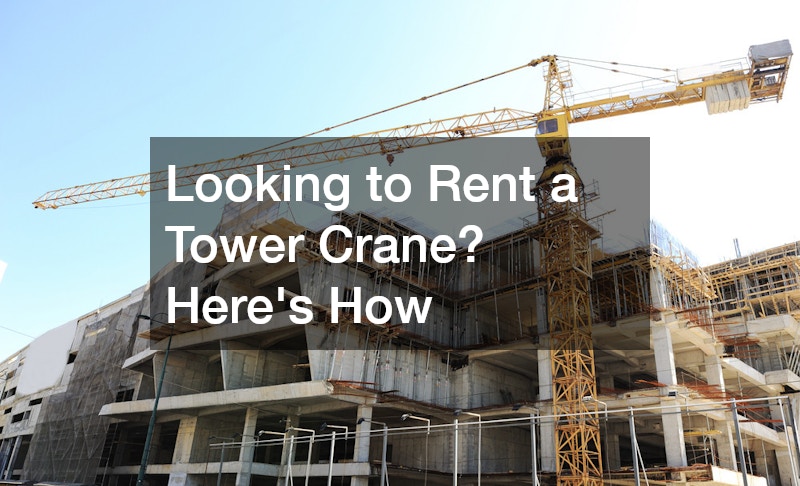
When embarking on a construction project, understanding your specific needs is crucial before you rent a tower crane. Tower cranes are indispensable for lifting heavy materials and equipment, making them a cornerstone of efficient and safe construction work. Therefore, knowing the scope and requirements of your project is a significant first step.
Ensuring your project has the appropriate crane size and capacity can tremendously impact productivity and cost-efficiency. Start by assessing the weight and size of materials you will need to lift and the height they need to reach.
Consider also the nature of the construction site, as some sites might have space limitations or accessibility issues. Conducting a thorough site survey can give valuable insights into these potential constraints. Moreover, understanding the weather conditions in your area is crucial. Wind speeds, for instance, can greatly influence crane operations. All these factors play a role in determining the type of tower crane that would best suit your project.
You should also factor in the length of time you’ll need the crane for. Projects with extended timelines may benefit from different rental agreements compared to short-term needs. Evaluate the possibility of delays and extensions, as this could affect your rental contract and budget. Thoroughly estimating the project’s schedule ensures smoother operations and avoids costly last-minute decisions. Investing this time upfront in understanding your project can help you make informed decisions when you rent a tower crane.
Researching Tower Crane Options and Providers
Once you’ve determined the type of crane you need, the next step is to research potential tower crane options and providers. Start by identifying reputable companies that specialize in crane rentals. Check for their certifications and compliance with safety standards, which are critical in ensuring the safe and legal operation of the crane on your site. A reliable rental company should be able to provide all necessary documentation for the machinery, including maintenance records and insurance policies.
Compare the services offered by different providers to find the best fit for your requirements. Factors such as customer support, availability of spare parts, and 24/7 assistance can be crucial for seamless operations. Moreover, seek feedback from previous clients about their experiences with the rental providers. This can give insights into the company’s reliability and customer service. Recommendations from other contractors in your network can also be invaluable.
While conducting this research, also consider the cost implications. Don’t merely focus on the price; evaluate the overall value offered. Cheaper isn’t always better, especially when safety and efficiency are at stake. Ensure the companies you’re considering offer competitive rates without compromising on quality. By doing thorough research, you can secure a trustworthy partner when you decide to rent a tower crane.
Evaluating Safety Protocols and Training Programs
Safety should be a top priority when you rent a tower crane. It’s vital to ensure that the crane comes with all the necessary safety features and that these are regularly maintained. Inquire about the company’s maintenance schedule and how they address potential faults or necessary repairs. Properly maintained cranes are not only safer but also more efficient and reliable.
Moreover, consider the training programs offered by the rental company. Some companies provide comprehensive training for your crew, which can be essential if your team isn’t already well-versed in operating tower cranes. Ensuring your crew knows how to safely and efficiently operate the equipment minimizes risks and potential accidents on site. Additionally, ongoing support and training updates can be beneficial as construction projects progress.
Review their emergency response protocols and ensure there are clear lines of communication. Knowing how the provider will assist in unexpected situations is comforting and ensures you’re not blindsided by issues. Furthermore, confirm that the rental company complies with local and national safety regulations, as these are often indicators of their commitment to quality and safety. Through meticulous evaluation of safety protocols and training programs, you can reduce risks and ensure the successful execution of your project.
Understanding Rental Contracts and Insurance Obligations
Before finalizing the decision to rent a tower crane, it’s critical to thoroughly understand the rental contract and insurance obligations. The contract should clearly outline terms such as rental duration, costs, responsibilities for maintenance, and procedures for extending the rental period, if needed. Examine the fine print carefully to avoid unexpected charges or obligations that could arise.
Insurance is another key component of this process. Confirm that the crane is covered under an insurance plan that reliably manages risks associated with crane operations. This should include liabilities for potential damage, accidents, and other unforeseen events at the worksite. Your provider should be transparent about what is and isn’t covered under their insurance policy.
Consider additional coverage if the rental company’s insurance does not meet all your project needs. Collaborate closely with your own insurance provider to ensure seamless coverage. Failure to adequately understand and prepare for insurance obligations can result in significant setbacks, hindering your project’s progress and financial stability. With careful diligence, you can secure a robust rental agreement that safeguards your interests and supports efficient project execution.